EN
EN


Secure the battery of exported cars to prevent damage during transportation.
Time : 2025-11-13
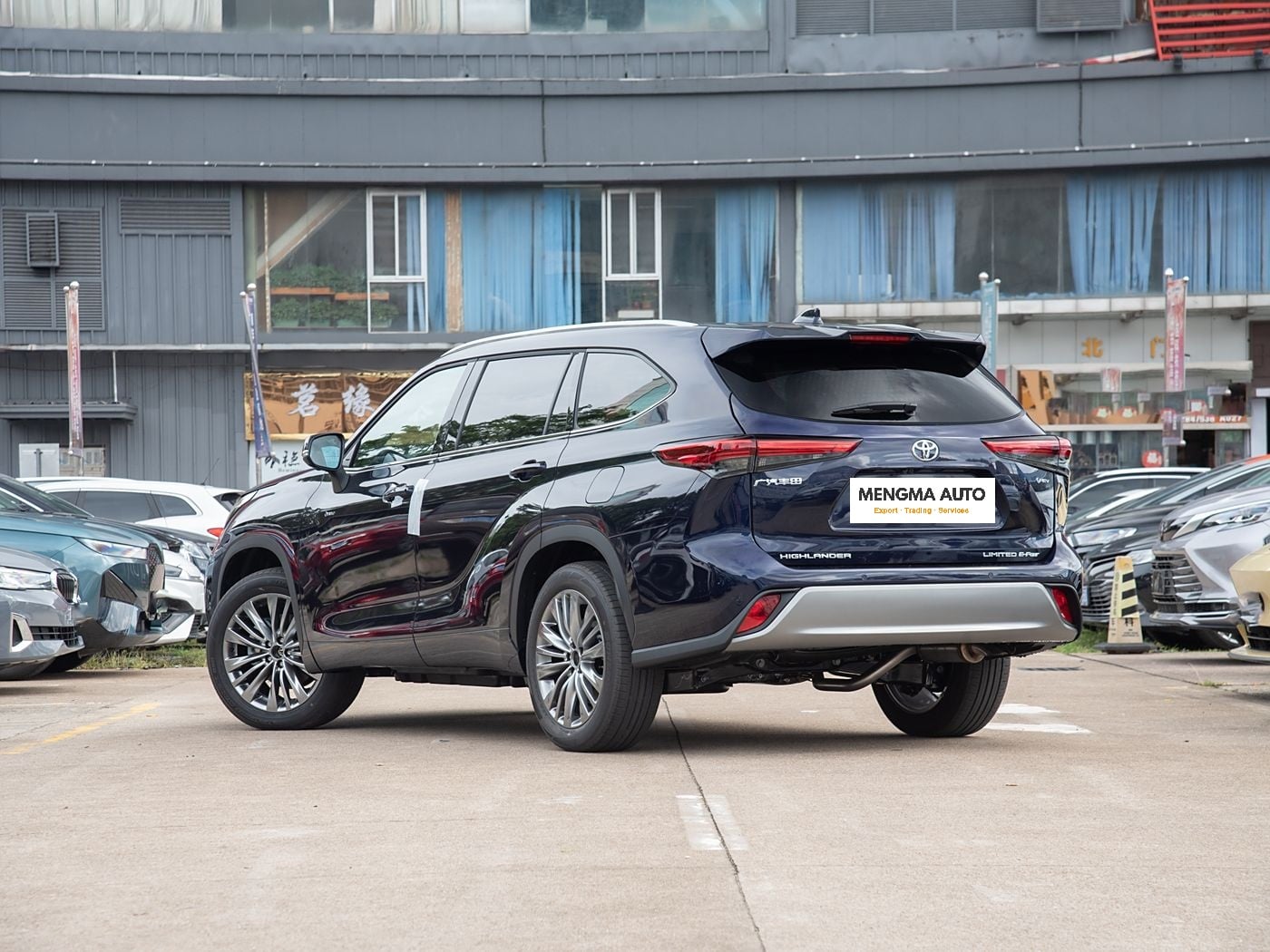
For exported cars, transportation is a key link that directly affects product quality. Among all components, the battery is particularly important because it is not only the power source for the car's startup and electrical equipment but also relatively fragile during transportation. Once the battery is not properly secured, it may shift, collide or even leak during long-distance transportation of exported cars, leading to battery damage and affecting the normal use of the entire exported car. Therefore, properly securing the battery is an essential measure to ensure the safety of exported cars during transportation. Both exporters and transportation companies should attach great importance to this work.
Understand the risks of unsecure batteries for exported cars
Before securing the battery of exported cars, we must first clearly understand the risks of unsecure batteries. During transportation, exported cars will encounter various road conditions such as bumps and turns. If the battery is not fixed firmly, it will move back and forth in the battery compartment. This movement will not only cause friction between the battery and the compartment but also may cause the battery terminals to loosen or break. In severe cases, the battery case may crack, resulting in electrolyte leakage. The leaked electrolyte is corrosive and will corrode the car body and other components, causing irreversible damage. Moreover, damaged batteries will increase the after-sales cost of exported cars and affect the reputation of exporters in the international market. Therefore, recognizing these risks is the premise of doing a good job in battery securing for exported cars.
Choose appropriate securing methods for exported car batteries
Choosing the right securing method is the core to ensuring the battery safety of exported cars. The most common and effective method is to use a dedicated battery fixing bracket. This bracket is designed according to the size and model of the battery, which can fit the battery tightly and prevent it from moving. When installing the bracket, it is necessary to ensure that the bolts are tightened to avoid looseness during transportation. For some special models of exported cars, if the battery compartment has a special structure, we can use fixing straps with sufficient strength to bind the battery. The straps should be made of wear-resistant and corrosion-resistant materials to ensure that they will not break during long transportation. In addition, a buffer pad can be placed between the battery and the compartment to reduce the impact of bumps on the battery and further improve the securing effect.
Key points for checking battery securing of exported cars
After completing the battery securing of exported cars, a strict inspection is essential to eliminate potential safety hazards. First, check whether the fixing bracket or strap is installed in place and whether there is any looseness. You can gently shake the battery with your hand. If there is no obvious movement, it means the securing is qualified. Second, check the battery terminals. Ensure that the terminals are tightly connected and covered with insulating sleeves to prevent short circuits caused by collision and friction. Third, check the battery case for cracks or damage. If any problems are found, replace the battery in time to avoid risks during transportation. In addition, it is necessary to make a detailed record of the inspection results, so that if problems occur later, they can be traced and handled in a timely manner. For exported cars, this inspection link must not be perfunctory, as it is related to the final quality of the products reaching the hands of overseas customers.
Formulate standardized operating procedures for exported car battery securing
To ensure that the battery securing work of exported cars is carried out in a standardized manner, it is necessary to formulate clear operating procedures. The procedures should specify the types and specifications of fixing tools and materials, the specific steps of securing operations, and the standards and methods of inspection. At the same time, strengthen the training of operators to ensure that each staff member mastering the correct securing skills and inspection methods. For different models of exported cars, different securing schemes should be formulated according to the characteristics of their battery compartments and batteries to ensure the pertinence and effectiveness of the securing work. In addition, regularly check and update the operating procedures to adapt to the changes in exported car models and transportation requirements, so as to provide long-term and stable protection for the battery safety of exported cars during transportation.
In summary, securing the battery of exported cars is a crucial work in the export process. It is related to the safety of exported cars during transportation, the reputation of exporters and the satisfaction of overseas customers. By understanding the risks, choosing appropriate securing methods, doing a good job in inspection and formulating standardized procedures, we can effectively prevent battery damage during transportation and ensure that exported cars reach the target market in good condition. For enterprises engaged in the export of cars, attaching importance to battery securing is an important part of improving product competitiveness and achieving long-term development in the international market.