EN
EN


How to Maintain Honda Cars for Longevity?
Time : 2025-12-14
Honda cars are renowned for their reliability, durability, and ability to stand the test of time—many models easily surpass 200,000 miles with proper care. But longevity doesn’t happen by accident; it requires consistent, targeted maintenance that addresses the unique needs of Honda cars. From engine care to fluid checks and body maintenance, every step plays a role in preserving performance and extending the vehicle’s life. Whether you own a Civic, Accord, CR-V, or another Honda model, following these maintenance practices will keep your Honda car running smoothly for years. Let’s dive into the key steps to maintain Honda cars for longevity.
Stick to Regular Oil Changes and Engine Maintenance
The engine is the heart of any car, and for Honda cars, regular oil changes are non-negotiable for longevity. Honda engines are designed to run efficiently with clean, high-quality oil—using the manufacturer-recommended oil grade (usually 0W-20 or 5W-30 synthetic oil) ensures proper lubrication of moving parts, reducing friction and wear. Change the oil every 5,000 to 7,500 miles (or as per your Honda car’s owner’s manual) and replace the oil filter each time to prevent debris from circulating in the engine. Beyond oil changes, inspect the engine air filter every 15,000 miles—clogged filters restrict airflow, forcing the engine to work harder and reducing fuel efficiency. Check spark plugs regularly too; Honda cars typically need spark plug replacement every 100,000 miles, but worn plugs can cause misfires and engine damage if ignored. Proper engine maintenance keeps your Honda car’s powertrain healthy, laying the foundation for long-term reliability.
Prioritize Fluid Checks and Replacements
Honda cars rely on various fluids to keep systems running smoothly, and regular checks and replacements are critical for longevity. Start with the coolant—Honda’s engines are prone to overheating if coolant levels are low or the fluid is degraded. Check the coolant reservoir monthly (when the engine is cool) and replace the coolant every 100,000 miles to prevent corrosion and overheating. Transmission fluid is another key fluid; for automatic Honda cars, replace it every 60,000 to 100,000 miles (manual transmissions may need it less frequently) to ensure smooth gear shifts and protect the transmission from wear. Don’t forget brake fluid—flush and replace it every 2-3 years to maintain braking performance, as old fluid can absorb moisture and cause brake system corrosion. Power steering fluid (for models with hydraulic steering) and windshield washer fluid should also be checked regularly. Keeping all fluids at the correct level and replacing them on schedule prevents costly system failures and keeps your Honda car running reliably.
Maintain the Cooling System and Prevent Overheating
Honda cars’ cooling systems work hard to regulate engine temperature, and neglecting them can lead to overheating and engine damage—major threats to longevity. Inspect the radiator and cooling fan annually: clean debris like leaves, bugs, or dirt from the radiator fins to ensure proper airflow, and check that the cooling fan turns on when the engine heats up. Replace the radiator hose every 4-5 years or if you notice cracks, bulges, or leaks—old hoses are prone to bursting, which can cause sudden overheating. The water pump, which circulates coolant, should be inspected every 100,000 miles; a failing water pump will lead to overheating and engine damage if not replaced promptly. For Honda cars with turbocharged engines (like the Civic Type R), pay extra attention to the intercooler—keep it clean to maintain turbo efficiency and prevent heat buildup. A well-maintained cooling system ensures your Honda car’s engine runs at optimal temperature, extending its lifespan significantly.
Care for the Transmission, Brakes, and Suspension
These three systems are vital for safety and performance, and their maintenance directly impacts the longevity of Honda cars. For the transmission, avoid aggressive driving (like sudden acceleration or hard shifting) which puts extra stress on gears. If you notice delayed shifts, slipping, or unusual noises, have the transmission inspected immediately—small issues can escalate into expensive rebuilds. For brakes, replace brake pads when they wear down to 3-4 millimeters (most Honda cars have wear indicators that squeal when pads are low) and resurface or replace rotors as needed. Regularly check brake calipers for leaks or sticking to prevent uneven wear. For the suspension, inspect shocks, struts, and bushings every 50,000 miles—worn suspension components cause rough rides, uneven tire wear, and increased stress on the frame. Replacing worn shocks or bushings improves handling and reduces strain on other parts of your Honda car. By caring for these systems, you prevent premature wear and keep your Honda car safe and reliable for years.
Protect the Exterior and Interior, and Follow Honda’s Maintenance Schedule
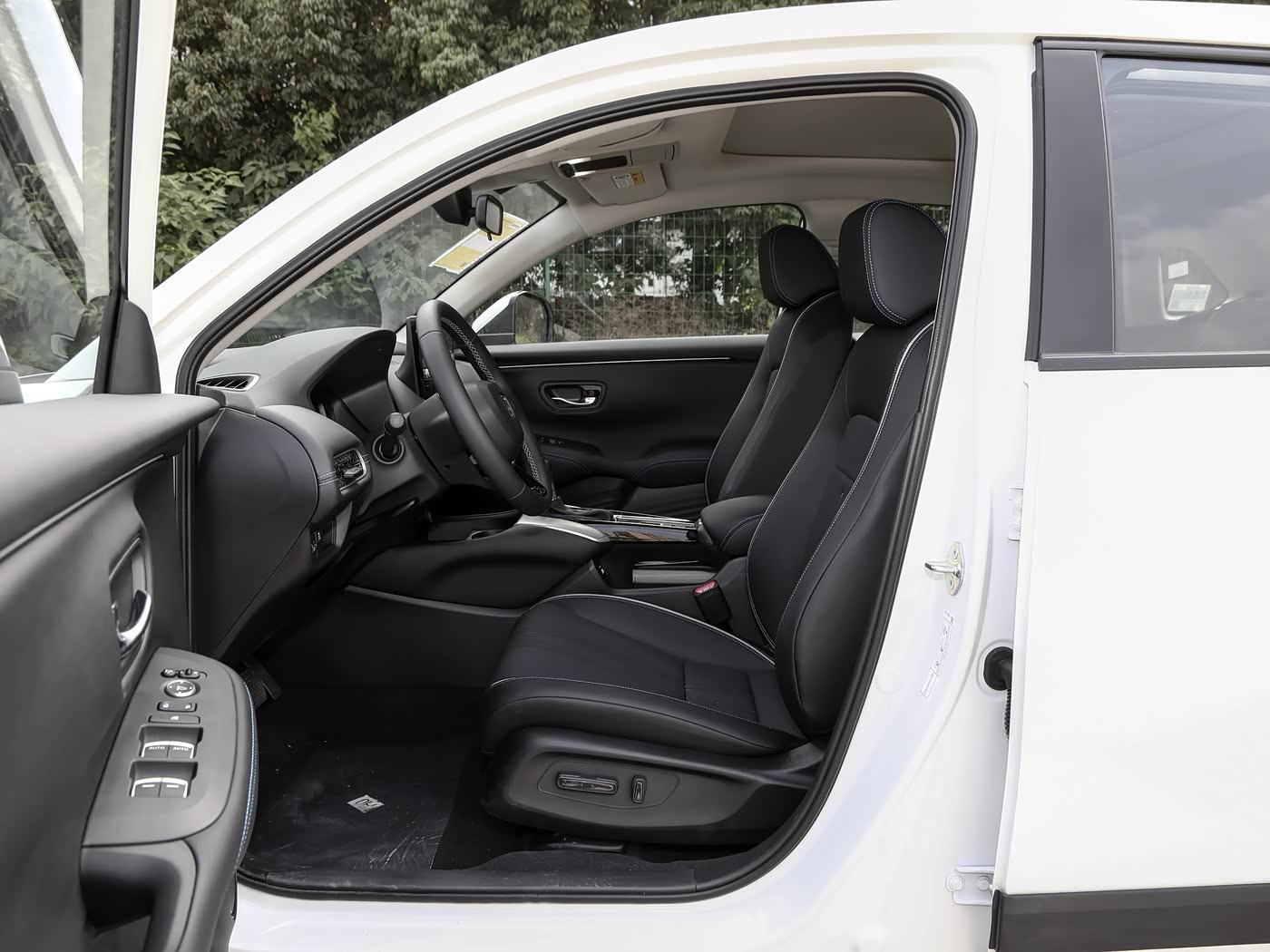
Longevity isn’t just about mechanical parts—protecting the exterior and interior keeps your Honda car in good condition and preserves its value. Wash the exterior regularly (every 1-2 weeks) to remove dirt, salt, and road grime that can cause rust and paint damage. Apply wax every 3-6 months to protect the paint from UV rays and scratches. Clean the interior monthly: vacuum carpets and seats, wipe down dashboards and door panels with a gentle cleaner, and protect leather seats with conditioner. Avoid leaving heavy items in the car for long periods, as they can strain the suspension and interior components. Most importantly, follow Honda’s official maintenance schedule (found in the owner’s manual or online). Honda’s schedule is tailored to your specific model and includes timed checks for everything from belts and hoses to sensors and filters. Following this schedule ensures you don’t miss critical maintenance tasks, and it helps maintain your Honda car’s warranty. Many Honda dealerships offer maintenance plans that make it easy to stay on track—taking advantage of these can simplify care and extend your car’s life.
In conclusion, maintaining Honda cars for longevity requires consistent care across engine, fluids, cooling, transmission, brakes, suspension, and exterior/interior. By sticking to regular oil changes, fluid replacements, cooling system checks, and following Honda’s maintenance schedule, you can maximize your car’s lifespan and keep it running reliably. Honda cars are built to last, but they depend on their owners to provide the care they need. Whether you’re a new Honda owner or have driven your car for years, these maintenance practices will help you get the most out of your vehicle. Remember, investing time and money in maintenance now saves you from costly repairs later and lets you enjoy your Honda car for many miles to come.