EN
EN


Key Tips for Using Honda Cars in Winter.
Time : 2025-12-16
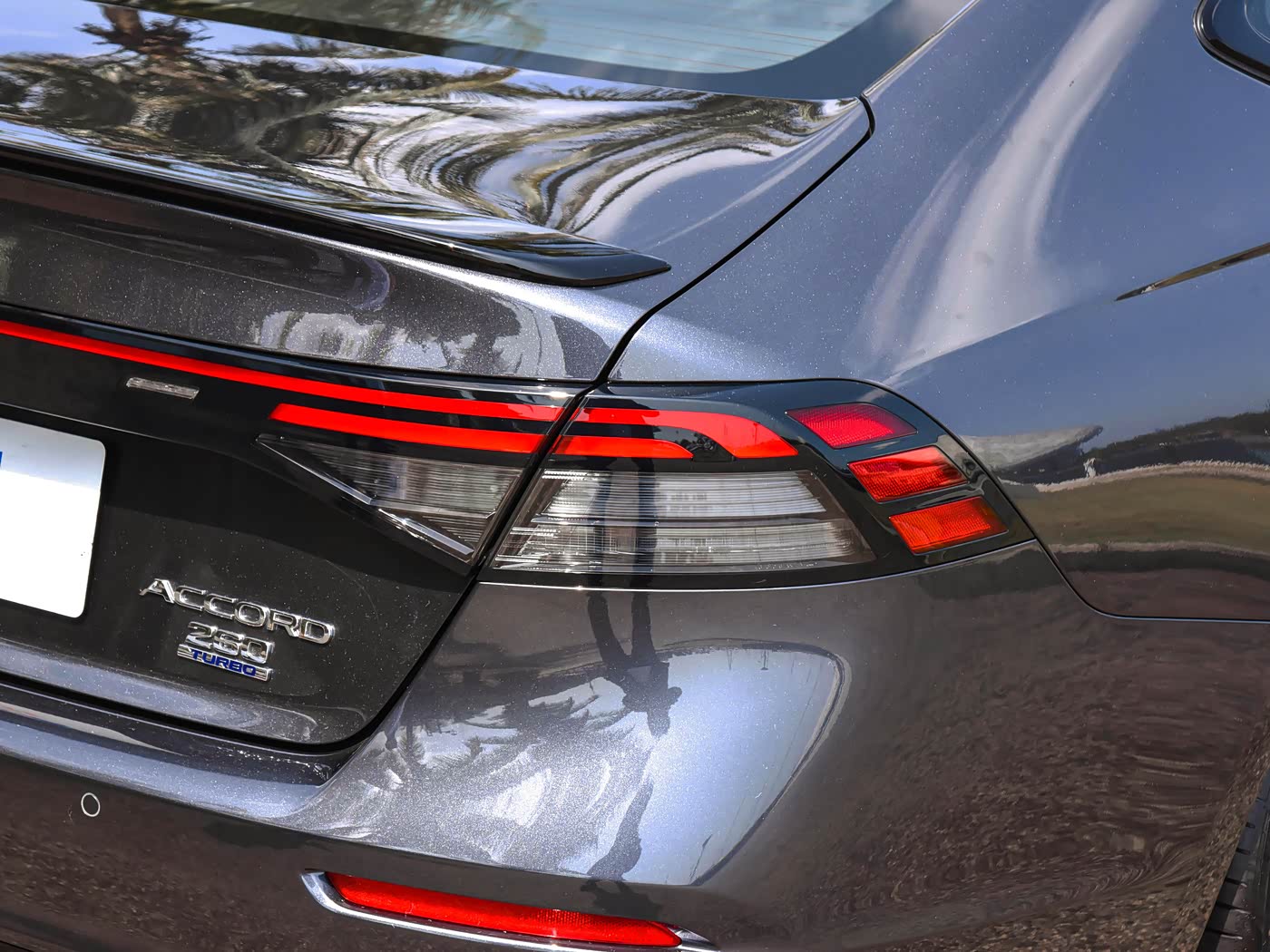
Winter brings cold temperatures, snow, ice, and road salt—all of which can challenge any vehicle, including reliable Honda cars. Whether you drive a Honda Civic, Accord, CR-V, or Pilot, taking extra care in winter not only keeps you safe but also protects your vehicle from seasonal damage. From battery care to tire checks and driving adjustments, these key tips are tailored to the unique needs of Honda cars, ensuring they perform well even in harsh winter conditions. Let’s explore the essential guidelines for using Honda cars in winter.
Prepare the Battery for Cold Weather
Honda cars’ batteries work harder in winter—cold temperatures reduce battery capacity by up to 50%, making it harder to start the engine. Start by checking the battery’s age: if it’s more than 3-4 years old, have it tested at a Honda service center to ensure it can handle winter demands. Clean the battery terminals with a mixture of baking soda and water to remove corrosion (white or greenish buildup), which can block electrical flow. Ensure the terminals are tight and secure—loose connections can cause starting issues. If you park your Honda car outdoors overnight, consider using a battery blanket or trickle charger to keep the battery warm and charged. For Honda hybrid models (like the Insight or CR-V Hybrid), pay extra attention to the 12V auxiliary battery, as cold weather can affect its performance too. A well-maintained battery is the first line of defense against winter starting problems in Honda cars.
Check and Adjust Tires for Winter Conditions
Tires are critical for safety in winter, and Honda cars need proper tire care to handle snow, ice, and wet roads. Start by checking tire pressure—cold air reduces pressure by about 1 psi for every 10°F drop, so inflate your Honda car’s tires to the manufacturer-recommended level (found on the driver’s door jamb or owner’s manual). Underinflated tires reduce traction and increase fuel consumption. If you live in an area with heavy snow or ice, switch to winter tires—they’re made of softer rubber and deeper treads that grip cold surfaces better than all-season tires. For Honda cars with all-wheel drive (like the CR-V or Pilot), winter tires still make a big difference in traction. Check tire tread depth: use the penny test—insert a penny with Lincoln’s head down into the tread. If you can see the top of his head, the tread is too shallow (below 2/32 of an inch) and needs replacement. Rotate tires if they’re due—even wear ensures consistent traction. Proper tire preparation keeps your Honda car stable and safe on winter roads.
Protect the Engine and Fluids from Freezing
Honda cars’ engines and fluids are vulnerable to freezing in winter, so proper checks are essential. First, ensure you’re using the right engine oil—switch to a lower viscosity oil (like 0W-20 instead of 5W-30) if recommended by Honda, as it flows better in cold temperatures. Check the coolant (antifreeze) level and condition: the coolant should be a 50/50 mix of antifreeze and water to prevent freezing even in sub-zero temperatures. Have a Honda technician test the coolant’s freeze point if you’re unsure. Don’t forget the windshield washer fluid—use a winter-specific formula that won’t freeze (avoid plain water, which can crack the reservoir). For Honda cars with turbocharged engines (like the Civic Type R), allow the engine to warm up for 30-60 seconds before driving—this protects the turbocharger from cold-related damage. Avoid revving the engine excessively when cold, as it increases wear on moving parts. Protecting engine and fluids ensures your Honda car starts reliably and runs smoothly all winter.
Adjust Driving Habits for Winter Safety
Even well-prepared Honda cars need careful driving in winter. Start slowly and accelerate gradually—sudden acceleration can cause tires to spin on icy or snowy roads. Increase your following distance to 4-6 seconds (double the normal distance) to give yourself more time to stop. Brake gently and early—avoid slamming on the brakes, which can trigger skidding. If your Honda car has anti-lock brakes (ABS), keep your foot firmly on the brake pedal if you skid—ABS will pulse the brakes automatically to maintain control. Use your Honda car’s heated features wisely: turn on heated seats and side mirrors to improve comfort and visibility, but avoid overusing the heater when the engine is cold (it takes longer to warm up and wastes fuel). If you get stuck in snow, don’t spin the tires excessively—this digs the car deeper and damages tires. Instead, gently rock the car back and forth (shift between drive and reverse) while applying light gas. Adjusting your driving style keeps you and your Honda car safe in winter’s toughest conditions.
Protect the Exterior and Undercarriage from Winter Damage
Winter road salt, slush, and moisture can cause rust and paint damage to Honda cars, so protection is key. Wash your Honda car regularly (every 1-2 weeks) to remove salt, dirt, and road grime—pay extra attention to the undercarriage, where salt accumulates and causes rust. Use a high-pressure hose to clean hard-to-reach areas like wheel wells and frame rails. Apply a coat of wax before winter starts to protect the paint from salt and UV rays. If you park outdoors, use a car cover designed for winter to shield your Honda car from snow, ice, and salt. Avoid driving through deep puddles or slush—water can seep into electrical components or cause rust. After driving on salted roads, rinse the wheels and undercarriage with water as soon as possible. For Honda cars with plastic trim or chrome accents, use a protectant to prevent cracking or fading from cold temperatures. Protecting the exterior and undercarriage preserves your Honda car’s appearance and resale value.
In conclusion, using Honda cars in winter safely and effectively requires preparing the battery, checking tires, protecting the engine and fluids, adjusting driving habits, and shielding the exterior. Honda cars are built for reliability, but winter’s harsh conditions demand extra care. By following these key tips, you can ensure your Honda car starts easily, runs smoothly, and stays safe all winter long. Whether you’re commuting to work, running errands, or taking a winter road trip, these preparations will help you get the most out of your Honda car while avoiding seasonal damage. Remember, winter maintenance isn’t just about safety—it’s about protecting your investment and keeping your Honda car in great shape for years to come.