EN
EN


How to Maximize Fuel Efficiency in Hyundai Cars?
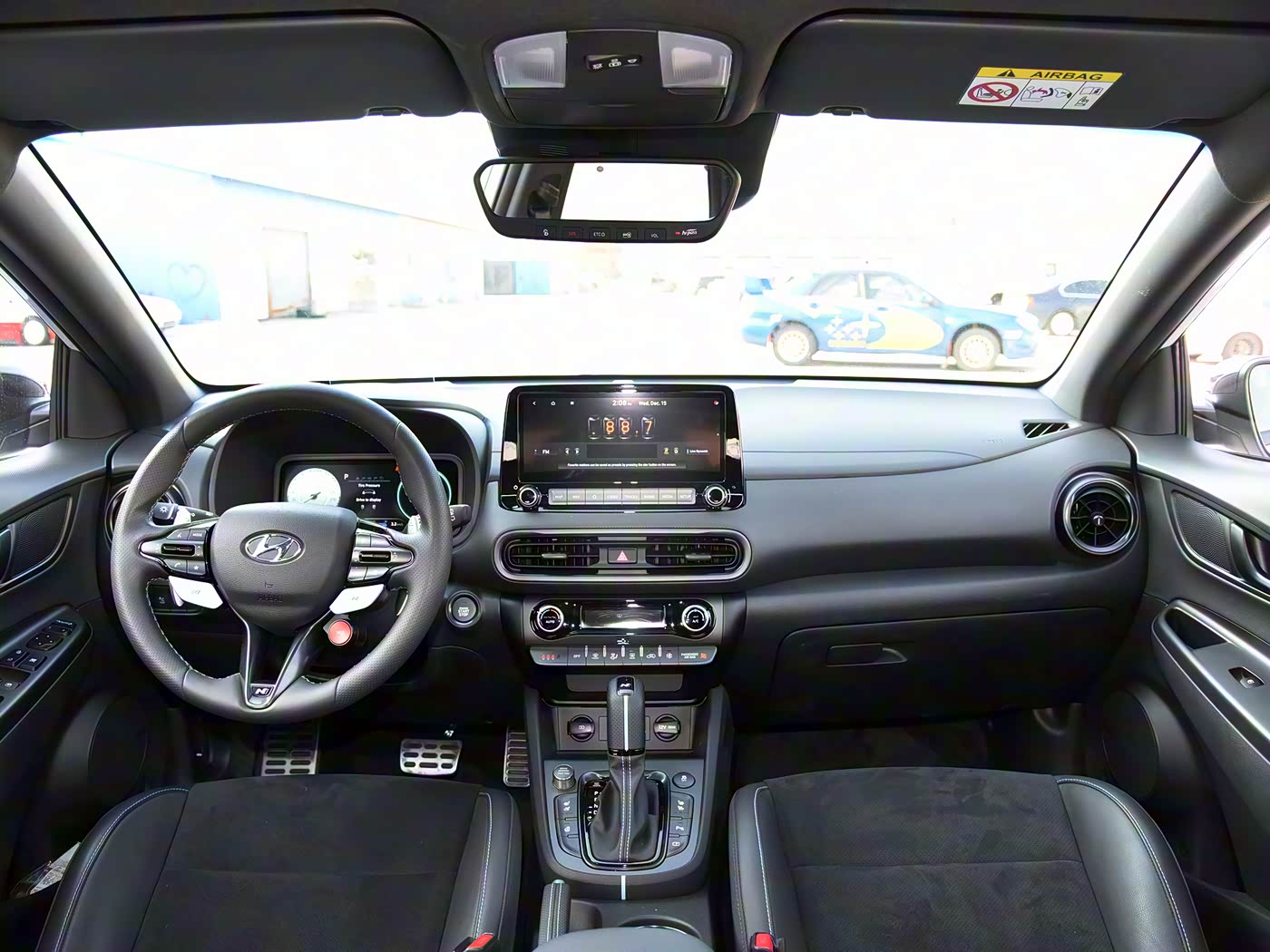
Smartstream Powertrain Technology and Its MPG Impact
The Smartstream powertrain from Hyundai brings real improvements in fuel economy thanks to some smart engineering tricks. The engine combines high pressure direct injection with CVVT technology plus an advanced thermal management system that all work together to get better combustion and minimize wasted energy. Inside the engine block, special low friction parts help reduce resistance by around 34 percent. At the same time, the whole design is lighter but still keeps the engine responsive when needed. All these changes result in about 10 to 15 percent better miles per gallon compared to older models according to tests done by the Environmental Protection Agency standards.
Aerodynamic Design and Lightweight Materials in Modern Hyundai Cars
Hyundai's latest cars are setting new standards for how smoothly they cut through the air, with some models hitting impressive drag coefficients around 0.28 Cd after rigorous testing in wind tunnels. The automaker has incorporated clever tech like active grille shutters that close when not needed, plus those neat air curtains around the wheels which really help reduce turbulence when speeding down the road. They've also made smart material choices, replacing traditional frames with high strength steel that cuts down on overall weight by nearly 20%. And dont forget about all those aluminum parts used throughout the suspension system and body panels, which adds another layer of weight savings. All these improvements work together to slash both rolling resistance and drag forces acting against the vehicle. Drivers actually see better gas mileage in everyday situations, particularly noticeable during long highway trips where every drop counts.
Eco-Driving Habits That Boost Fuel Efficiency in Hyundai Cars
Smooth Acceleration, Predictive Braking, and Optimal Speed Management
Getting better gas mileage starts with changing how we drive. Slow down when accelerating to keep the engine from working too hard, and try to brake earlier so the car can glide instead of stopping suddenly. This matters a lot for Hyundai cars that have those special brakes which actually recharge the battery as they slow down. Staying around 50 to 65 miles per hour is where most cars work best against wind resistance. Going just 5 mph faster than 50 eats up about 7% more fuel according to tests. The EPA found something interesting too aggressive driving habits like flooring it at stop lights or slamming on the brakes cuts highway mileage anywhere from 15% to 30%. That's why newer Hyundais come with screens showing exactly how efficiently someone is driving right now. These displays help people see what works and what doesn't, making it easier to form better driving habits over time.
Strategic Use of Cruise Control and Eco Mode in Hyundai Vehicles
The driver assistance tech built into Hyundai vehicles really helps drivers save gas when used properly. The cruise control keeps things smooth on long stretches of highway, cutting down those annoying speed ups and slows that waste fuel. Then there's Eco Mode which tweaks how the car shifts gears, responds to the accelerator pedal, and runs the air conditioning all to make better mileage. Tests show it can actually improve fuel economy by around 7% under lab conditions. But let's be honest, these systems work best on roads where speeds stay pretty much the same throughout the trip. When stuck in city traffic with constant stopping and starting, all those clever adjustments get overridden anyway as drivers need to accelerate frequently between red lights and intersections.
Preventive Maintenance Essentials for Sustained Hyundai Fuel Economy
Oil, Air Filters, and Spark Plugs: Hyundai-Recommended Intervals
Sticking to Hyundai's recommended maintenance schedule really matters if we want our cars to keep running efficiently over time. Using fresh oil that meets manufacturer specs reduces friction inside the engine. Clean air filters help get just the right mix of air and fuel, while spark plugs that are correctly spaced stop those annoying misfires that burn extra gas without power. How often parts need replacing depends on what kind of car we have. Most folks will change regular oil and air filters every 30k miles or so, but those fancy iridium spark plugs can last between 60k to 100k miles. Missing these appointments can cost us about 10% in fuel efficiency. And here's something interesting from SAE International research: a totally blocked air filter can actually make our fuel consumption jump anywhere from 6% to 11%. No wonder Hyundai's engineers design their vehicles with regular servicing in mind.
Tire Pressure, Alignment, and Rolling Resistance in Hyundai Cars
The condition of our tires plays a big role in how much gas we burn, even though most people don't think about it. When tires are under inflated, they create more drag against the road surface. For example, if a Hyundai owner lets their tire pressure drop just 5 psi below what's listed on the door jamb (usually around 32 to 35 psi), fuel efficiency drops by roughly 2%. Checking tire pressure once a month makes sense, along with getting wheel alignments done approximately every 6,000 miles or whenever hitting curbs causes concern. Well maintained tires actually improve gas mileage by somewhere between 3% and 5%, which shows why regular maintenance matters so much when paired with Hyundai's smart engineering choices for both aerodynamics and engine performance.
Hybrid and Advanced Powertrain Options Across Hyundai Cars
Hyundai's "New Way" plan for going electric is really expanding how many people can get access to hybrids. Now they're available in everything from small cars all the way up to those fancy Genesis models, basically doubling what was already there. The tech behind these hybrids includes special transmissions made just for them, better heat control systems, and a mix of electricity and gas that works pretty smoothly together. Some models even hit around 51 miles per gallon on highways. But wait, there's more! Hyundai also makes plug-in hybrids, regular electric cars (called BEVs), and those cool hydrogen fuel cell vehicles too. Each one tries to hit that sweet spot where drivers still want to drive fast when needed but also care about getting good mileage and not running out of power unexpectedly. What makes this whole strategy work so well is that customers don't have to jump straight into full electric if they aren't ready yet. They can start with something halfway between gas and electric first while still enjoying all the comfort and quality Hyundai is known for.