EN
EN


Tips for Parking Hyundai Cars Safely in Tight Spaces.
Time : 2025-12-27
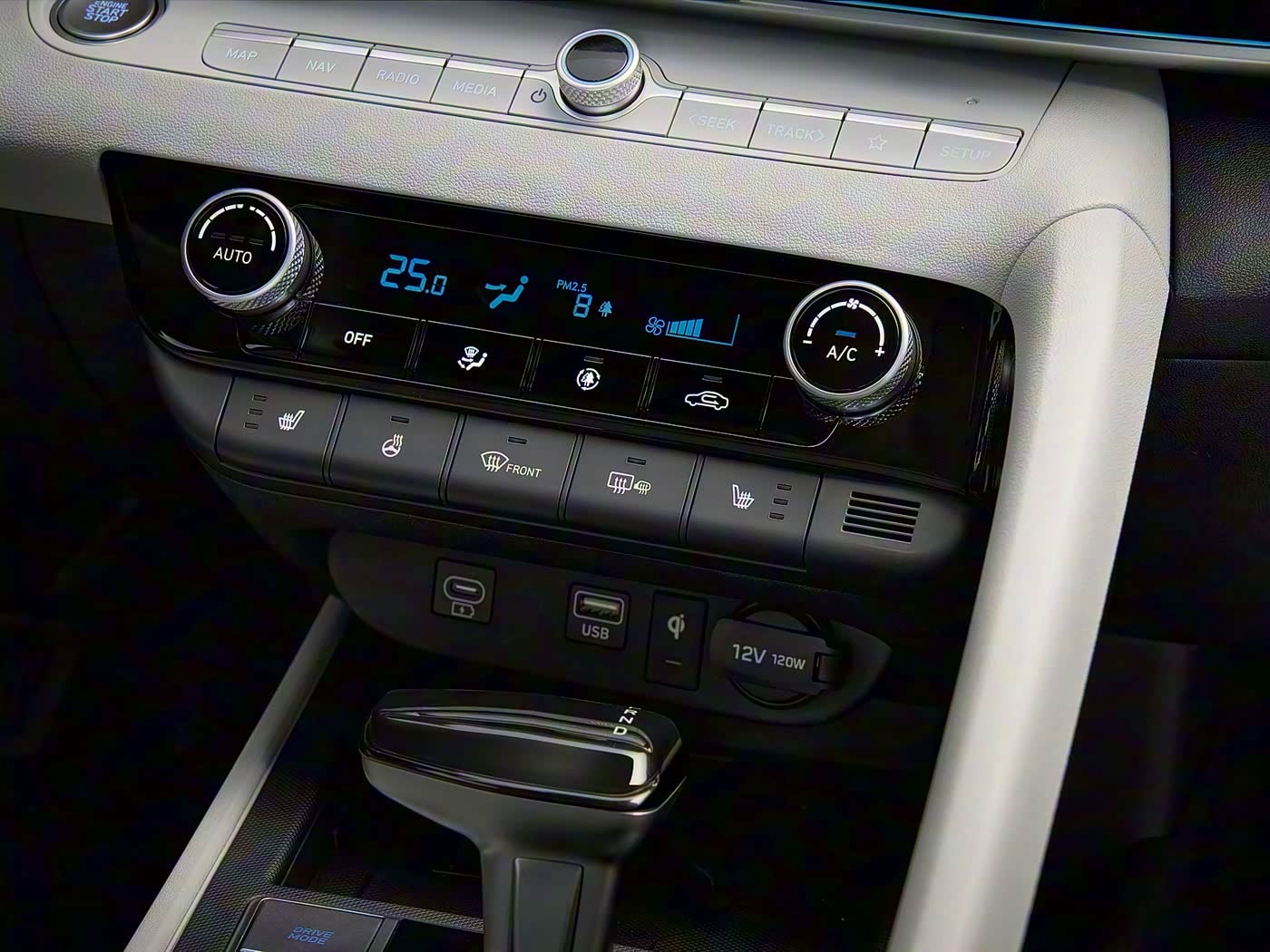
Parking in tight spaces—whether between two cars, in narrow garages, or on crowded city streets—can be stressful for any driver. But with Hyundai cars’ smart features and a few practical tips, you can park safely and confidently every time. Hyundai cars, from compact models like the Elantra to SUVs such as the Tucson or Santa Fe, are designed with maneuverability in mind, but mastering tight-space parking still requires practice and know-how. These tips are tailored to Hyundai cars’ unique design and technology, helping you avoid scratches, dents, and collisions while making the most of limited parking room. Let’s explore the key strategies for safe tight-space parking with Hyundai cars.
Familiarize Yourself with Hyundai Cars’ Dimensions and Maneuverability
The first step to safe tight-space parking is knowing your Hyundai car inside out—especially its dimensions and turning radius. Every Hyundai model has different length, width, and wheelbase: compact Hyundai cars like the Accent are easier to squeeze into small spots, while larger SUVs like the Palisade need more room to maneuver. Take time to measure or memorize your Hyundai car’s key dimensions (you can find them in the owner’s manual) and practice judging distances in an empty parking lot. Pay attention to the turning radius—Hyundai cars often have tight turning circles, which helps in narrow spaces, but you still need to account for overhangs (front and rear) that might extend beyond the wheels. For example, when parking a Hyundai Kona, remember its short overhangs make it easier to fit into tight spots, but you still need to watch the front bumper when turning sharply. Familiarity with your Hyundai car’s size and how it handles will eliminate guesswork and boost your confidence.
Utilize Hyundai’s Advanced Parking Assist Features
Many modern Hyundai cars come equipped with advanced driver-assistance systems (ADAS) that make tight-space parking a breeze—learn to use them to your advantage. The most helpful feature is Rear View Camera, standard on most Hyundai models, which shows a clear view of the area behind your car on the infotainment screen, with guidelines that adjust as you turn the wheel. For even more support, look for Hyundai cars with Parking Distance Warning (PDW)—sensors on the front and rear bumpers that beep or show visual alerts on the dashboard when you’re getting too close to obstacles. Higher-trim Hyundai models may offer Remote Smart Parking Assist (RSPA), which lets you park or unpark the car using the key fob while standing outside—perfect for extremely tight spaces where you can’t fit inside after parking. Another useful feature is Blind-Spot Collision Warning (BCW), which alerts you to cars in adjacent lanes when merging into a tight parallel parking spot. These features are designed to complement your driving skills, not replace them—use them as tools to stay aware of your surroundings.
Master Parallel and Perpendicular Parking Techniques for Hyundai Cars
Even with technology, knowing basic parking techniques is essential for tight spaces. For parallel parking with your Hyundai car: start by aligning your car parallel to the vehicle in front of the empty spot, leaving about 2-3 feet of space between them. Reverse slowly until your rear bumper is level with the front car’s rear bumper, then turn the wheel sharply toward the curb. Continue reversing until your Hyundai car is at a 45-degree angle to the curb, then straighten the wheel and reverse until you’re centered in the spot. For perpendicular parking (backing into a spot in a parking lot): drive past the spot slowly, aligning your Hyundai car’s front bumper with the rear bumper of the car in the adjacent spot. Reverse while turning the wheel toward the spot, using the rear view camera and PDW to avoid hitting curbs or other cars. For Hyundai cars with front-wheel drive (most models), remember that the front wheels do the turning—this means you need to give the front end enough room to swing when entering tight spots. Practice these techniques in an empty lot first, adjusting for your Hyundai car’s turning radius, until they feel second nature.
Adjust Mirrors and Seating for Optimal Visibility
Good visibility is crucial for tight-space parking, so take a moment to adjust your Hyundai car’s mirrors and seat before you start. Sit in a comfortable, upright position with your back against the seat and your hands at 9 and 3 o’clock on the steering wheel—this gives you full control and a clear view of the road. Adjust the rearview mirror to frame the entire back window, and set the side mirrors so you can just see the edges of your Hyundai car’s body—this eliminates blind spots when judging distances to curbs or other cars. For Hyundai cars with power-adjustable mirrors, you can tweak them while parking (using the controls on the driver’s door) to get a better view of tight gaps. Don’t forget to lower the window slightly to listen for sounds—like the scrape of a curb or a beep from another car’s parking sensor—that might alert you to danger. Proper mirror and seat adjustment turns blind spots into visible areas, making it easier to park your Hyundai car safely in tight spaces.
Stay Calm and Take It Slow—Avoid Rushing
Parking in tight spaces is all about patience, and rushing is the biggest mistake you can make with your Hyundai car. Take your time: drive slowly when approaching the spot, using your brakes gently to maintain control. If you’re not sure if your Hyundai car will fit, get out and check the space—there’s no shame in measuring or asking a passenger to guide you. If you start parking and realize you’re off-center, don’t panic—shift into drive, pull forward slightly, and adjust your position. For extremely tight spots, make small, incremental movements instead of large turns—this gives you more control over your Hyundai car’s direction. Remember that it’s better to take an extra minute to park safely than to rush and scratch your Hyundai car or someone else’s. If you’re feeling stressed, take a deep breath and remind yourself that parking is a skill that improves with practice. Staying calm and focused will help you make better decisions and park your Hyundai car safely every time.
In conclusion, parking Hyundai cars safely in tight spaces requires familiarity with the car’s dimensions, using advanced parking features, mastering basic techniques, adjusting for visibility, and staying patient. Hyundai cars are designed to be user-friendly and maneuverable, making tight-space parking more manageable with the right approach. Whether you’re parallel parking on a busy street, squeezing into a narrow garage, or backing into a tight perpendicular spot, these tips will help you avoid accidents and park with confidence. Remember, practice makes perfect—spend time in an empty parking lot to get comfortable with your Hyundai car’s handling, and don’t be afraid to use the available technology. With these strategies, you’ll turn tight-space parking from a stressful chore into a quick, easy task that you can handle with ease.