EN
EN

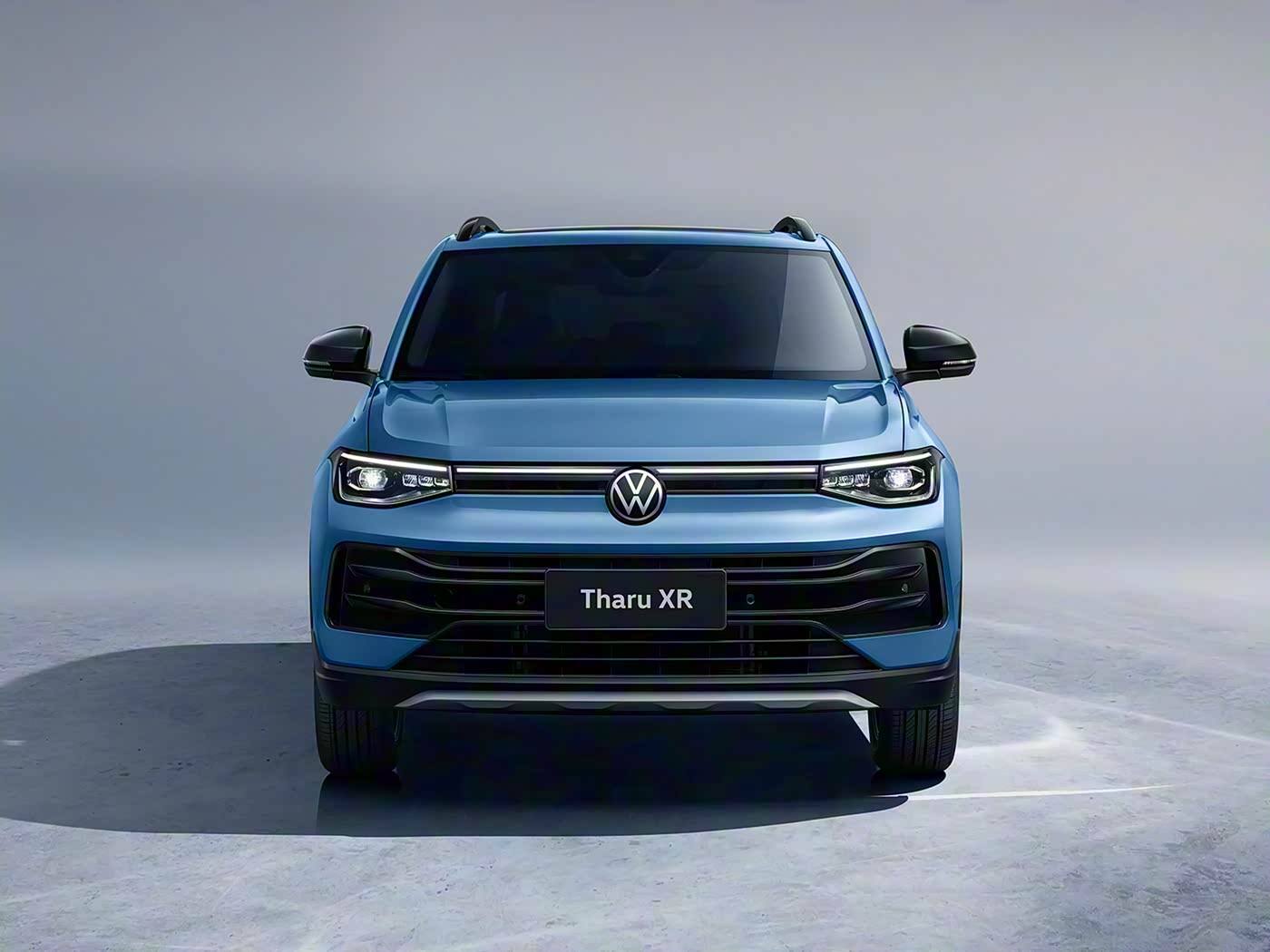
Real-World Performance and Practical Value in Daily Use
When choosing a suitable SUV, many buyers struggle with the choice between two-wheel drive (2WD) and four-wheel drive (4WD). As someone who has long been engaged in the automotive export industry and has personally tested various SUV models under complex road conditions, I can clearly tell you that the difference between these two driving systems is not just a technical parameter, but directly determines your driving experience, safety, fuel economy, and even vehicle cost-effectiveness in daily use. Our company focuses on providing global customers with high-quality SUV export solutions, covering multiple best-selling models that are widely praised in the international market. These models are carefully matched with reasonable driving system configurations to meet the needs of customers in different regions and road environments. Whether you are driving on urban paved roads, rural non-paved roads, or slippery sections in rainy and snowy weather, our SUV products can show stable performance, which is the result of our in-depth research on driving systems and global user scenarios.
Basic Principles and Structural Differences Between 2WD and 4WD SUVs
To understand the practical differences between 2WD and 4WD, we first need to clarify their core structural principles. Two-wheel drive means that only one set of wheels (front wheels or rear wheels) provides power, while the other set only follows passively. This structure is simple, lightweight, and has low maintenance costs. Most urban SUVs adopt front-wheel drive, which has good stability during normal driving and is easy to control. Four-wheel drive, on the other hand, transmits power to four wheels at the same time through a transfer case, differential and other components, so that all wheels can have traction. According to the explanation of automotive engineering experts from authoritative international organizations, 4WD system can effectively disperse power output, reduce the risk of wheel slip, and significantly improve the passing ability and safety of the vehicle under bad road conditions. The SUV models we export are all equipped with optimized driving system structures. The 2WD versions pursue lightweight and economy, and the 4WD versions focus on enhanced stability and off-road performance, fully reflecting our professional manufacturing and matching standards.
Differences in Fuel Consumption, Maintenance and Daily Use Costs
In actual use, cost is a factor that every user cares about, and 2WD and 4WD SUVs have obvious differences in this regard. Based on my long-term follow-up statistics of export vehicle user feedback and actual test data, 2WD SUVs have obvious advantages in fuel consumption. Because of their simple structure and light weight, their fuel consumption is usually 10% - 15% lower than that of 4WD models of the same class under the same driving conditions. In terms of maintenance, the 2WD system has fewer components, lower failure rate, and cheaper maintenance and repair costs, which is very friendly for users who focus on economy. Although the 4WD system has higher fuel consumption and relatively higher maintenance costs, its value is reflected in special scenarios. Our company strictly controls the manufacturing accuracy of each SUV, and the 4WD models we export use high-quality components, which can reduce the failure rate to a very low level under normal use. This not only ensures the performance of the vehicle, but also effectively controls the later use costs, which is why our products are trusted by global customers.
Performance Differences in Different Road Conditions and Driving Scenarios
The most intuitive difference between 2WD and 4WD SUVs is reflected in the performance under different road conditions, which is also the key to choosing the right configuration. In daily urban commuting, on smooth highways and paved roads, the performance of 2WD SUVs is completely sufficient, with flexible control and comfortable driving, which can fully meet the needs of daily travel. Once encountering slippery roads such as rain, snow, mud, or steep slopes and non-paved roads, the advantages of 4WD are fully revealed. I once personally tested our exported SUV models on muddy roads in overseas regions. The 2WD model was prone to slip when encountering soft road sections, while the 4WD model could steadily pass by virtue of the simultaneous power output of four wheels, without obvious wheel idling. According to the research data of international automotive safety institutions, 4WD SUVs have a lower accident rate on slippery roads than 2WD models because of their stronger traction and stability. The SUV models we provide cover both 2WD and 4WD configurations, and each model has been carefully adjusted and tested to ensure excellent performance in corresponding scenarios.
How to Choose the Right Driving System for Your SUV and Our Professional Advantages
Choosing between 2WD and 4WD should be based on your actual use scenarios, regional road conditions and budget. If you mainly drive in cities, have good road conditions, and pay more attention to fuel economy and cost-effectiveness, then the 2WD SUV is your best choice. If you live in areas with more rain, snow, mountainous or complex roads, or often travel to places with poor road conditions, the 4WD SUV can bring you higher safety and passing ability. As a professional automotive export enterprise, we have a modern export base covering more than 70,000 square meters, and have exported more than 4,500 vehicles to the world. We have a profound understanding of the road conditions and user needs in various countries. We can provide customers with professional configuration suggestions, high-quality SUV products and perfect after-sales support. Our SUV models are not only advanced in configuration, but also reliable in quality, which can meet the diversified needs of global customers. Choosing our products means choosing professional, safe and worry-free automotive export services.
Table of Contents
- Real-World Performance and Practical Value in Daily Use
- Basic Principles and Structural Differences Between 2WD and 4WD SUVs
- Differences in Fuel Consumption, Maintenance and Daily Use Costs
- Performance Differences in Different Road Conditions and Driving Scenarios
- How to Choose the Right Driving System for Your SUV and Our Professional Advantages