EN
EN


How to Maintain Li Auto Cars' Battery Effectively?
Optimal Charging Habits for Li Auto Cars
Apply the 20–80% State-of-Charge Rule to Minimize Stress
Keeping a Li Auto vehicle's battery within the 20% to 80% charge range works best for everyday driving situations. Staying in this sweet spot helps reduce the kind of stress on the battery cells that leads to breakdowns over time. When someone keeps charging all the way to 100% regularly, the battery actually experiences more wear and tear at a molecular level, which means it loses its ability to hold as much power after months of use. Save those full charges for when really needed like road trips across state lines. Even though cars today come with fancy battery management tech, sticking to this rule of thumb remains smart practice. Some studies indicate that following this partial charging pattern instead of going from empty to full every day might give owners around 30% more usable life out of their batteries before replacement becomes necessary.
Limit DC Fast-Charging Frequency to Preserve Long-Term Capacity
Fast DC charging really helps when traveling long distances, though using it all the time especially anything over 50 kilowatts can actually speed up wear on the anodes and break down the electrolytes inside batteries. For regular day to day driving, folks should stick mainly to Level 2 AC chargers at home or office locations where possible since these typically operate below 19 kW. If someone absolutely needs to do a quick charge, they should turn on thermal preconditioning first. This process either heats up or cools down the battery so it reaches around 20 to 25 degrees Celsius which is where most batteries perform best. Doing this makes charging more efficient and puts less strain on the battery cells themselves. Getting into the habit of relying heavily on super fast charging stations ends up being one of those things that leads to batteries losing their capacity way sooner than expected in many cases.
Battery Temperature Management for Li Auto Cars
Park Strategically: Shade, Garage, or Climate-Controlled Spaces
Lithium ion batteries work best when kept within a certain temperature range, roughly between 15 and 35 degrees Celsius or about 59 to 95 Fahrenheit. When these batteries get exposed to really hot conditions over 35 degrees Celsius or freezing temps below zero, bad things start happening inside them. The chemical reactions speed up too much, and they just won't take a charge as well anymore, sometimes losing up to 30% efficiency. Finding ways to keep batteries cool makes all the difference. Putting them in shaded areas, garages, or places with controlled climates can help maintain stable temperatures across different cells. We've seen from various studies published in reputable journals like the Journal of Power Sources that even minor differences in temperature between individual cells (more than five degrees apart) lead to problems. These temperature variations cause some parts of the battery to age faster than others, which means the whole system degrades quicker overall.
Time Charging to Align with Ambient Temperatures and Enable Thermal Preconditioning
Try charging when temperatures are naturally comfortable, like early mornings during summer months or around midday in winter seasons. This helps cut down on the need for extra cooling or heating systems. Most modern vehicles come equipped with something called thermal preconditioning, so make sure to turn this feature on roughly twenty to thirty minutes prior to actually connecting to power or starting a drive. The system works through what manufacturers call the Battery Thermal Management System, basically getting those battery cells into their sweet spot temperature range between about twenty and twenty five degrees Celsius. When batteries operate within this window, they tend to charge faster, maybe around fifteen percent improvement, while also reducing stress inside the pack. People who regularly precondition their batteries often report better overall performance over time, sometimes seeing their battery last two or even three additional years compared to those who skip this step entirely.
Monitoring Battery Health in Li Auto Cars
Interpret SOH Metrics via Li Auto’s In-Vehicle Display and Mobile App
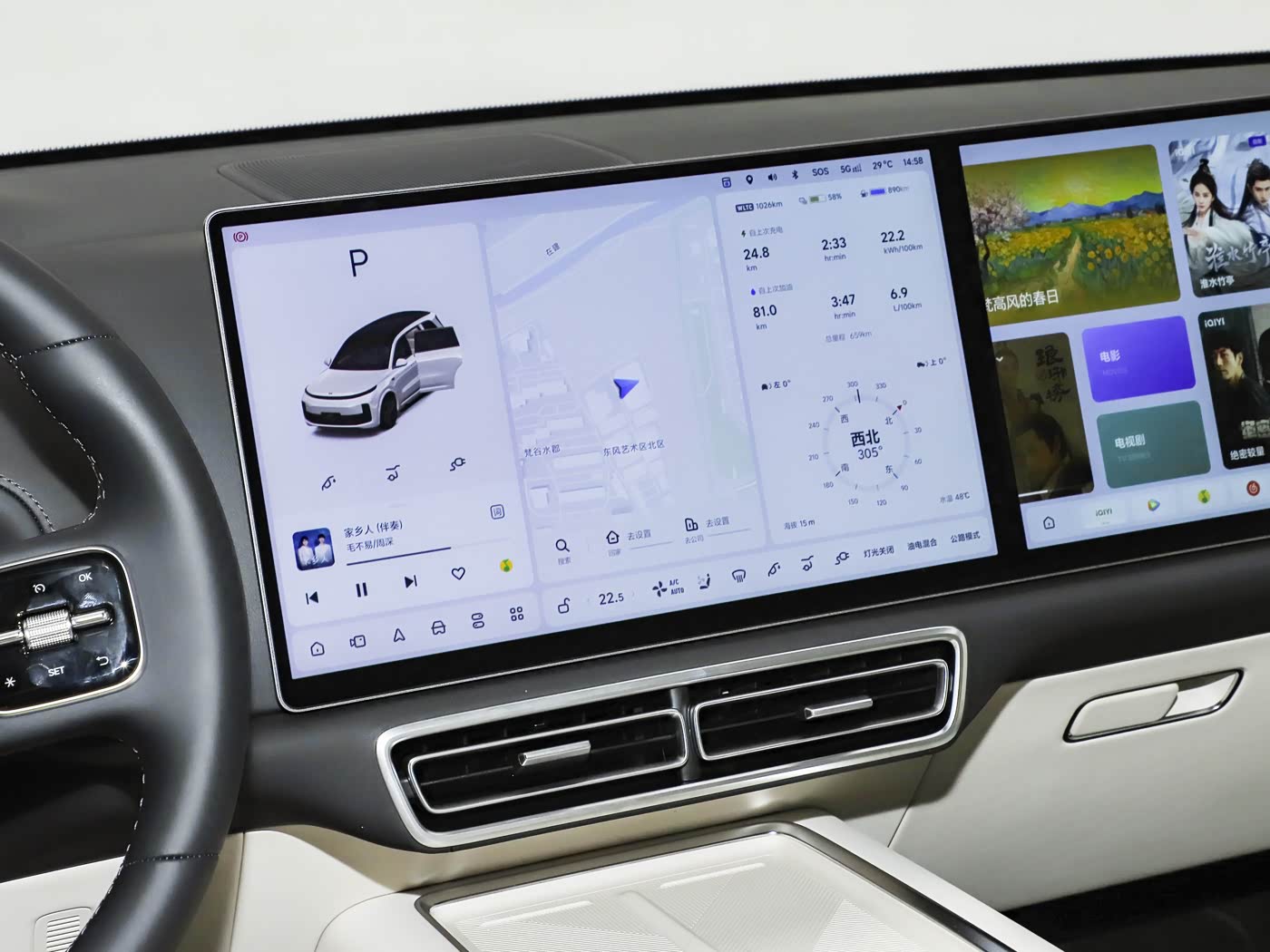
The Li Auto dashboard along with its mobile application gives drivers instant access to what's called State of Health (SOH), which basically tells them how much battery life remains compared to when the vehicle was brand new. Looking at SOH helps assess how well the battery will hold up over time. Most experts agree that if SOH drops below 80% for extended periods, batteries tend to lose their effectiveness faster than normal. Keeping an eye on this number makes sense for anyone wanting to understand their electric vehicle's performance and longevity.
- Capacity retention percentage, updated daily during charging
- Voltage consistency logs, which flag developing cell imbalance
- Historical SOH trends, revealing seasonal dips or inflection points
Recognize Early Degradation Signs: Range Drop, Slower Charging, or Thermal Alerts
Subtle behavioral shifts often precede measurable SOH loss. Watch for:
- A persistent 5–10% reduction in real-world range under consistent conditions
- Level 2 charging times increasing by 15+ minutes beyond baseline
- Frequent coolant system activation—even in mild weather—indicating thermal instability
Cross-reference these observations with your SOH data. When multiple signs appear together, schedule a professional diagnostic—early intervention helps prevent cascading degradation.
Leveraging Li Auto-Specific Tools and Updates
The batteries in Li Auto cars come with special smart technology that helps them last longer over time. These vehicles receive regular software updates through the air that keep improving how the battery works behind the scenes. The updates tweak things like when the battery charges, how it responds to heat changes, and even adjust charging patterns based on data collected from thousands of similar vehicles across the country. Getting these updates installed quickly means the car gets all those proven enhancements. According to research published last year, cars that had received these software upgrades kept about 4 percent more battery power after being driven for three years compared to ones that hadn't been updated. Drivers can also use the company's mobile application to plan charging during cheaper electricity hours and activate something called Battery Preservation Mode. This feature slows down charging speeds when conditions aren't ideal, looking at factors like current temperatures and overall battery health. If there are any strange fluctuations in voltage levels or sudden increases in internal resistance, the system sends warnings so owners can address issues before they become bigger problems. Anyone interested in learning more about how this battery software actually works might want to check out the comprehensive report on electric vehicle battery management released in 2023.