EN
EN


What to Do When New Energy Cars Lose Power?
Immediate Safety Actions During New Energy Cars Power Loss
Controlled Deceleration, Hazard Light Activation, and Safe Roadside Positioning
If an electric car suddenly loses power, the best approach is to slow down gradually by letting off the accelerator instead of slamming on the brakes, since harsh stops can mess with regenerative braking systems or cause unexpected safety features to kick in. Turn on those hazard lights right away so other drivers know what's happening. Look for somewhere safe to pull over, preferably a paved shoulder or emergency parking area. When parked, make sure the car sits parallel to traffic with wheels pointed away from road lanes to minimize damage risk if someone does hit it. According to recent EV safety standards from NHTSA included in their 2024 guidelines for handling electric vehicles in emergencies, this kind of positioning cuts down chances of another crash by about three quarters when stuck on the side of the road. Don't get out of the car until it's completely stopped and in a secure spot, and double check first that there aren't any dangerous electrical issues like sparks, strange burning smells, or leaking fluids before stepping outside.
Quick Diagnostic Checks: Dashboard Alerts, SOC Reading, and Charging Port Status
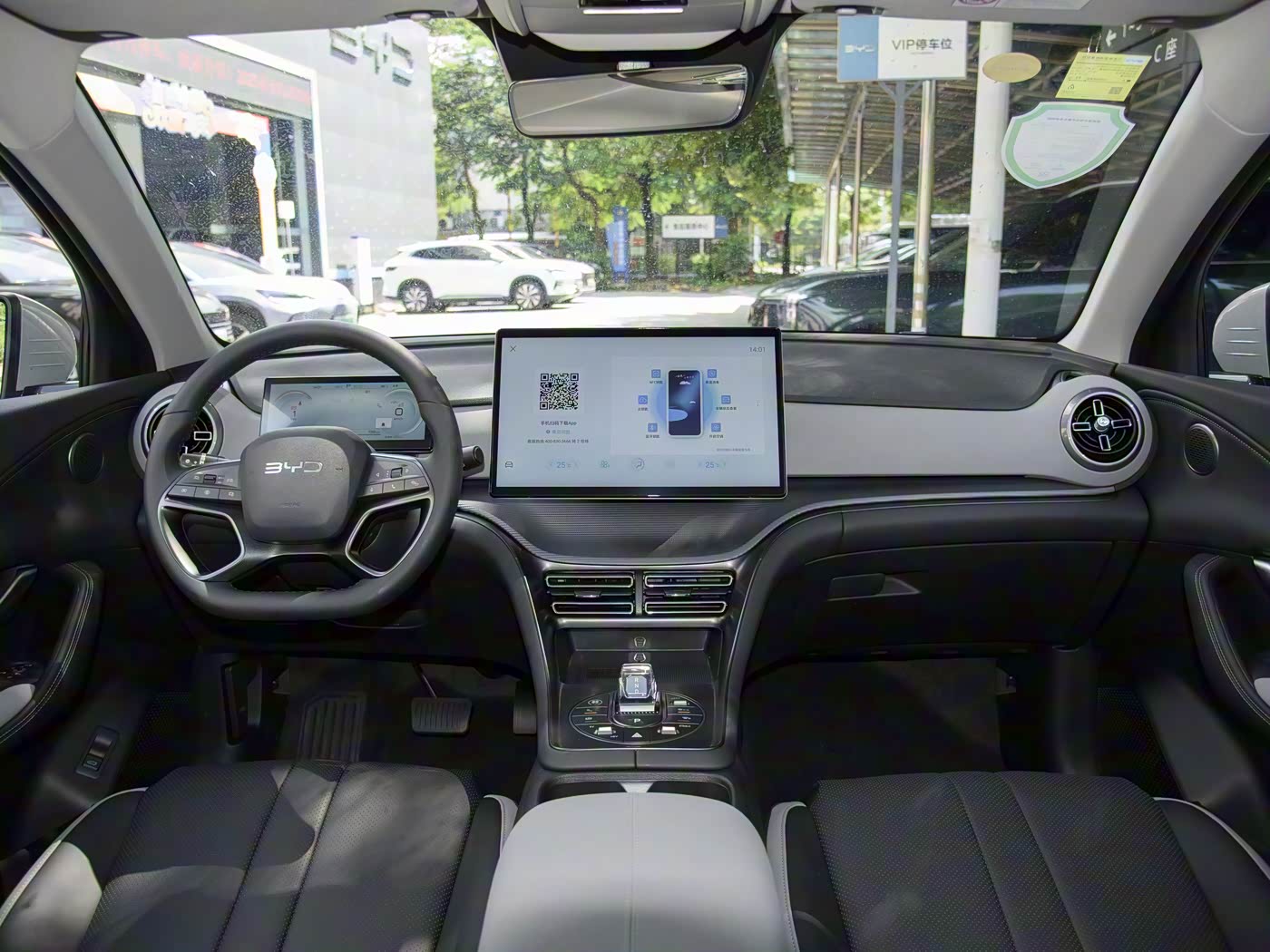
Do quick visual checks when stopped, but first make sure the car is properly parked and hazards are flashing. Look at those dashboard warnings first. See those battery icons? Thermal warnings? Or maybe a message saying power is limited? These usually mean big problems that need a pro to fix. Check what the State of Charge (SOC) says too. If it drops under 15%, especially when it's freezing outside, the battery might be about to die even if the display still shows power available. That happens because of voltage drops in cold temps. Also take a good look at the charging port. Any dirt stuck inside? Cracks? Water getting in there? Bad seals can mess with how the battery talks to the car's computer or lock things down completely. And here's something important: don't try restarting if anything looks off. Modern Battery Management Systems get really nervous during unstable situations and might just shut everything down harder. Leave resetting stuff to folks who know what they're doing with proper factory tools.
Top Causes of Power Loss in New Energy Cars
Battery Degradation and Low-Temperature Voltage Sag
Batteries just don't hold their charge forever. As time goes on, they start losing capacity which means shorter range and weaker performance when pushing hard. Most lithium ion batteries will have lost around 20 to 30 percent of their original capacity after about 500 complete charges. That kind of loss really affects how fast something accelerates and sometimes causes the power to cut out unexpectedly when needed most. Cold weather makes things worse too. When temperatures dip below freezing point, those chemical reactions inside slow down quite a bit, causing voltage drops especially noticeable during demanding situations like speeding up quickly or going uphill. On very cold days, drivers might find themselves with only 60% of normal power available even though the display shows plenty left in the tank. This gap between what looks good on screen versus actual usable energy explains why so many people get stuck in winter, particularly along hilly roads or in heavy traffic where frequent stops drain battery reserves faster than expected.
BMS Miscommunication and False High-State-of-Charge Readings
When a Battery Management System (BMS) starts acting up, it often leads to mysterious power losses that come not from broken parts, but corrupted data instead. Things like drifting sensors, mistakes in temperature adjustments, or those pesky firmware glitches can actually make the state of charge look way better than it really is sometimes inflating the numbers by around 20 to maybe even 40 percent. Imagine seeing 50% left on the dashboard while there's really only about 10% remaining inside the battery pack. Drivers usually don't realize this until their vehicle suddenly cuts out mid-acceleration or when trying to maintain speed uphill. Most of these issues don't set off any warning lights either, so folks tend to miss them unless they have proper diagnostic equipment. Fixing this problem means going beyond regular scan tools and getting into specialized recalibration processes provided directly by car manufacturers. Generic OBD-II scanners just won't cut it here. If ignored for too long, all those false readings create bigger problems down the road as cells become imbalanced faster and eventually start breaking down permanently.
Critical Electrical Failures Unique to New Energy Cars
Inverter, DC-DC Converter, and High-Voltage Loop Faults
New energy cars rely on tightly integrated high-voltage systems where single-point failures cascade rapidly. Unlike internal combustion vehicles, there is no mechanical fallback—so electrical integrity is non-negotiable. Three components dominate verified power-loss incidents:
| Component | Failure Consequence | Prevalence Rate* |
|---|---|---|
| Power Inverter | Sudden propulsion loss | ~15% of cases |
| DC-DC Converter | 12V system collapse & shutdowns | ~22% of cases |
| High-Voltage Loop | Safety-system forced immobilization | ~18% of cases |
When the inverter stops working, it basically cuts off power to the electric motor since it's responsible for converting those high voltage DC signals from the battery into usable AC current. Without this component, the car just sits there dead in the water. Then we have the DC-DC converter which keeps everything running at lower voltages like the brake assist system, airbag deployment mechanisms, and even the entertainment setup inside the cabin. If something goes wrong with this part, suddenly those vital safety features go dark too. Problems in the high voltage circuitry usually come down to things like corroded connectors, worn out insulation materials, or sometimes coolant getting where it shouldn't be. These issues will trigger automatic shutdowns through special contactor switches, leaving the vehicle stranded no matter how much charge remains in the battery pack according to that recent study from SAE International called "2024 EV Powertrain Failure Analysis." Car makers do build in backup systems, but chain reactions still happen occasionally. Take coolant leaking into the inverter module for instance - this creates sudden resistance spikes that can fry the entire drivetrain beyond repair. That's why sticking strictly to manufacturer recommended inspection schedules makes so much sense, and nobody should ever try fixing these systems themselves without proper certification as a high voltage technician.
Proven Prevention and Recovery Protocols for New Energy Cars
OEM-Recommended Cold-Weather Preconditioning and SOC Management
Keeping batteries conditioned properly remains one of the best ways to fight power loss when temperatures drop. When vehicles are still connected to charging stations, turning on cabin and battery preconditioning helps warm up those cells and their electrolytes before hitting the road. This simple step cuts down on cold soak problems and can boost available range by around 30% even in freezing weather conditions. For everyday driving, it's wise to keep battery charge levels somewhere between 20% and 80%. Letting batteries drain completely wears them out faster, while keeping them constantly near full charge puts extra strain on the internal components. Drivers should steer clear of frequent fast charging sessions when temps fall below freezing point unless the car's own temperature monitoring system says cell temps have risen above 10 degrees Celsius. Otherwise there's a real risk of lithium plating forming inside the battery, which damages capacity over time and raises chances of complete failure. According to field tests conducted by California's environmental agency, people who regularly precondition their cars report roughly two thirds fewer unexpected power drops during winter trips compared to those who don't.
When to Initiate Remote Diagnostics or Towing: Guidelines by Vehicle Type
The response plan needs to match what kind of powertrain the car has. When it comes to Battery Electric Vehicles, drivers need to call for help right away when the state of charge gets under 5% or when those red warning lights pop up on the dash showing something's wrong with the high voltage system. Things like "HV System Error" or "Drive Disabled" are serious flags. For Plug-in Hybrid models, there's still that gas engine as a backup option. But here's the catch: if the engine won't start when battery charge falls below around 15%, and the electric motor isn't working either, then towing becomes necessary. Before sending anyone out to fix the problem, make sure to turn on those factory diagnostic tools first. Most car companies can actually fix about a third to half of computer issues without needing someone at the scene these days. And remember this important rule: nobody should ever park their disabled vehicle close to moving traffic, even for just a minute. The National Highway Traffic Safety Administration requires mandatory towing in such situations no matter what type of car it is. Owners of hybrid vehicles particularly need to know that letting their batteries run completely dry might trigger some special mechanical protection mode in the car. These modes often need specific tools to reset and usually won't go away with a simple restart.