EN
EN

Why need to test the lighting system of exported cars?
Time : 2025-11-21
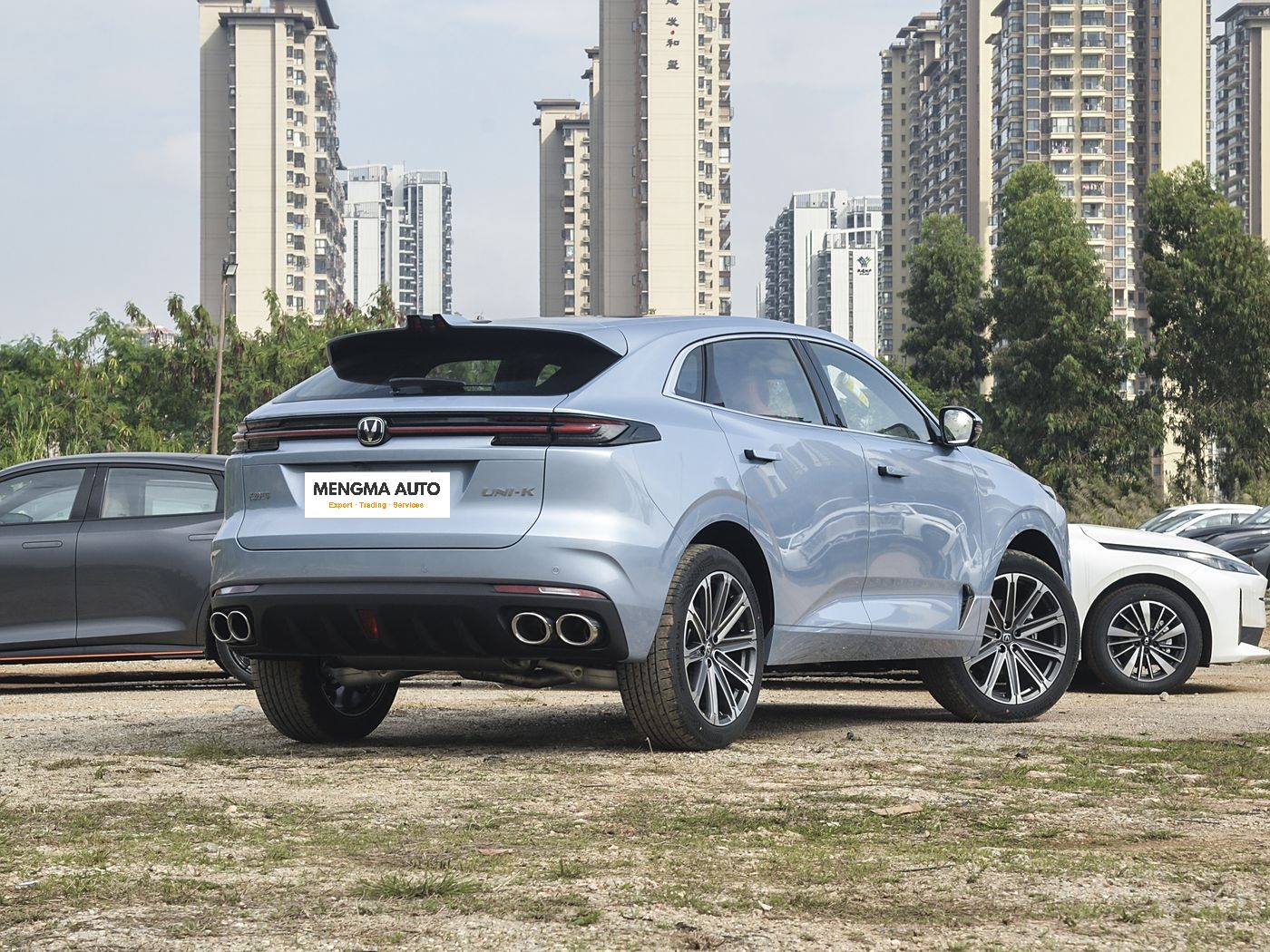
When it comes to exported cars, every detail matters for their success in global markets. Among all the components that need careful checking, the lighting system stands out as a critical part that can’t be ignored. Exported cars have to meet different requirements in various countries and regions, and the lighting system directly relates to driving safety, compliance with local regulations, and even the overall user experience. That’s why testing the lighting system of exported cars is not just a routine procedure but a necessary step to ensure the vehicles perform well overseas.
Meeting Diverse Export Market Regulations
Different countries and regions have their own specific regulations for automotive lighting systems. For exported cars, complying with these rules is the basic requirement to enter the local market. For example, some European countries have strict standards for the brightness and color temperature of headlights, while certain Asian markets have special requirements for turn signals and brake lights. If an exported car’s lighting system fails to meet these local regulations, it will face problems such as being rejected at customs or unable to get registered. Testing helps verify that every part of the lighting system, from low beams to fog lights, meets the specific technical indicators of the target export market, ensuring smooth market access.
Ensuring Driving Safety in Various Export Environments
Exported cars will be driven in a wide range of environments around the world, from dark rural roads to busy urban streets, and from rainy and foggy areas to areas with strong sunlight. A reliable lighting system is essential for driving safety in all these scenarios. Testing the lighting system can confirm that headlights provide sufficient illumination distance and range to help drivers see obstacles clearly at night. It also ensures that brake lights and turn signals are bright and obvious enough to alert other drivers, reducing the risk of collisions. For exported cars, which often face unfamiliar road conditions in foreign markets, a well-tested lighting system is like a safety guarantee for both drivers and pedestrians.
Maintaining Brand Reputation in Export Markets
The quality of exported cars directly affects the brand’s reputation in global markets. If a batch of exported cars has problems with their lighting systems, such as flickering lights, short service life, or inconsistent brightness, it will not only bring trouble to users but also damage the brand’s image overseas. Customers are more likely to trust brands that provide reliable and high-quality exported products. By conducting rigorous lighting system tests, car exporters can minimize the probability of after-sales problems, enhance customer satisfaction, and build a good brand reputation in export markets. This is crucial for long-term development in the global automotive trade.
Adapting to the Characteristics of Export Trade Chains
Export trade chains involve multiple links, including production, transportation, and after-sales service. The lighting system of exported cars may be affected during long-distance transportation, such as vibration causing loose connections or damage to components. Testing before export can detect potential issues in advance, avoiding costly repairs and delays after the cars arrive at the destination. Moreover, for car exporters that provide one-stop services including logistics and after-sales support, a well-tested lighting system reduces the pressure of after-sales maintenance in foreign markets. It ensures that exported cars can maintain good performance throughout the trade chain, improving the efficiency and profitability of export business.
In conclusion, testing the lighting system of exported cars is a key link that cannot be skipped in the export process. It not only helps meet local regulatory requirements and ensure driving safety but also safeguards brand reputation and optimizes the export trade chain. For car exporters aiming to expand their global presence, attaching great importance to lighting system testing is an effective way to enhance the competitiveness of their exported products and achieve success in the international market.